PALS Provider for Pediatric Pulmonologists
Empowering Pediatric Pulmonologists with Essential Life-Saving Skills
|
|
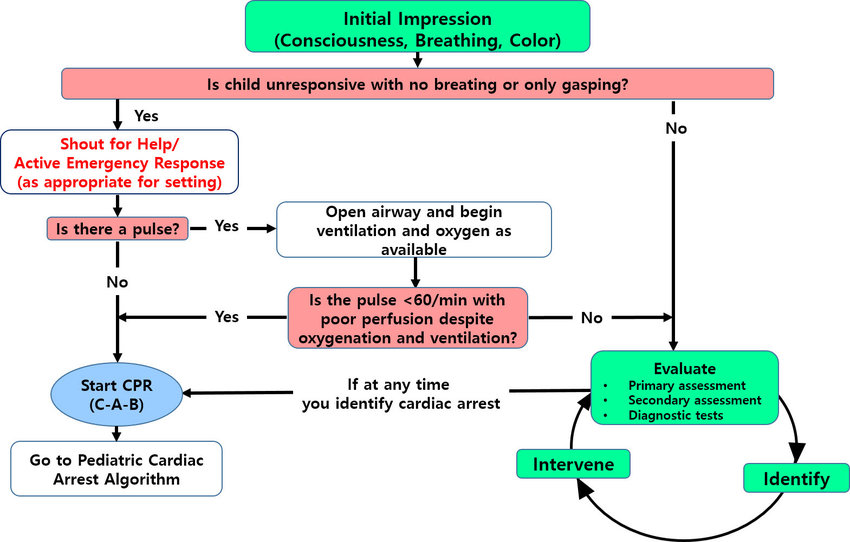
Attentive Safety CPR and Safety Training proudly delivers a specialized Pediatric Advanced Life Support (PALS) Provider Course tailored to the needs of Pediatric Pulmonologists and respiratory-focused clinicians. Grounded in the 2025 American Heart Association Guidelines for CPR & ECC, this course strengthens the advanced respiratory and cardiovascular emergency skills essential for pulmonologists who manage some of the most complex and high-risk pediatric patients.
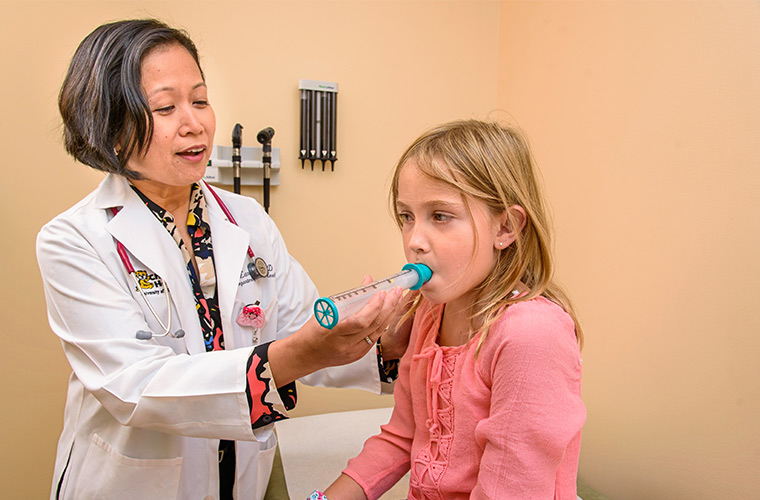
For pulmonology teams, rapid recognition of respiratory decline is crucial. Studies show that respiratory failure is the leading cause of pediatric cardiac arrest, and timely intervention significantly improves outcomes. Children experiencing sudden decompensation can lose up to 10% survival probability for every untreated minute, underscoring the necessity of advanced preparation. Our PALS Provider Course translates this science into practical, high-impact training designed specifically for specialists who treat asthma exacerbations, chronic lung disease, airway obstruction, pneumonia, neuromuscular weakness, and medically fragile children. Through instructor-led training, immersive simulations, and hands-on airway management practice, you will strengthen your ability to identify early respiratory distress, initiate advanced ventilation strategies, coordinate with multidisciplinary teams, and lead structured pediatric resuscitation efforts. Pediatric pulmonologists also benefit from focused reinforcement of shock management, dysrhythmia interpretation, escalation pathways, and post-resuscitation stabilization—all components essential to improving outcomes for respiratory-compromised children. This course is ideal for both community and hospital-based pulmonologists, sleep medicine specialists, critical-care teams, and pediatric subspecialty providers who frequently encounter high-acuity respiratory emergencies. By the end of training, you will understand not just the “what,” but the clinical rationale behind each PALS intervention, enhancing both confidence and precision during real-life pediatric codes. Attentive Safety offers PALS Provider courses 7 days a week at our Marietta, Doraville, and Alpharetta locations, making it easy for busy specialists to maintain certification without disrupting clinic schedules or call rotations. Upon completing the course, you will receive a two-year American Heart Association PALS Provider eCard, universally accepted for hospital credentialing, pediatric subspecialty practice, and accreditation requirements. |
Frequently Asked Questions – PALS Provider Course for Pediatric Pulmonologists
Q: What is the PALS Provider Course and why is it important for Pediatric Pulmonologists?
A: The Pediatric Advanced Life Support (PALS) Provider Course teaches clinicians how to recognize and manage respiratory failure, shock, arrhythmias, and pediatric cardiac arrest. For Pediatric Pulmonologists, this training reinforces evidence-based interventions proven to reduce morbidity and mortality in children with acute or chronic respiratory compromise—conditions encountered frequently in pulmonology practice.
Q: Is the course aligned with the updated 2025 AHA Guidelines?
A: Yes. The course includes all 2025 American Heart Association updates, including earlier recognition of respiratory deterioration, improved ventilation strategies, updated bradycardia/tachycardia algorithms, and enhanced resuscitation team communication—all highly relevant to respiratory-focused specialists.
Q: Who should take this PALS Provider course?
A: This course is ideal for Pediatric Pulmonologists, pulmonology fellows, pediatric respiratory providers, PICU teams, sleep medicine specialists, hospitalists, nurse practitioners, physician assistants, and any clinician responsible for managing or responding to pediatric respiratory emergencies.
Q: What pediatric skills are emphasized for pulmonologists?
A: Key skills include advanced airway management, early recognition of respiratory distress vs. failure, pediatric ventilation strategies, management of obstructive and restrictive lung disease emergencies, shock identification, arrhythmia interpretation, and leadership during pediatric resuscitation scenarios.
Q: Do I need prior certification before enrolling?
A: No prior PALS certification is required for the Provider course. However, participants must be proficient in Basic Life Support (BLS) and complete all required precourse assessments and video modules before attending class.
Q: What is the PALS Precourse Self-Assessment and is it mandatory?
A: Yes, it is required. The Precourse Self-Assessment confirms your readiness in rhythm recognition, pharmacology, and pediatric assessment. Completion is mandatory for all students, including experienced pulmonologists.
Q: How long is the PALS Provider certification valid?
A: Upon successful completion, you will receive an American Heart Association PALS Provider eCard valid for two years, accepted nationwide for hospital credentialing and pediatric subspecialty practice.
Q: What should pulmonologists expect during the course?
A: Expect hands-on practice, advanced airway stations, respiratory failure simulations, shock scenarios, arrhythmia management, and team-based pediatric resuscitation drills. Case discussions often mirror the types of respiratory crises pulmonologists encounter in outpatient and inpatient care.
Q: Where are PALS Provider classes held?
A: Classes are offered 7 days a week at Attentive Safety training centers in Marietta, Doraville, and Alpharetta, providing convenient access for metro-Atlanta pediatric specialists.
Q: Can I reschedule if my call schedule changes?
A: Yes. You may submit a request using our online reschedule form:
👉 https://www.attentivesafety.com/reschedule-request.html
Q: What happens if I arrive late or miss my class?
A: As noted in our Terms and Conditions, all classes are non-refundable, and late arrivals or no-shows forfeit payment. Please ensure you arrive on time—especially for test stations and megacode assessments.
Q: Is the PALS Provider Course suitable for pulmonology fellows in training?
A: Absolutely. Fellows benefit greatly from early, structured exposure to pediatric emergency algorithms and advanced airway management—skills they will use throughout their careers.
A: The Pediatric Advanced Life Support (PALS) Provider Course teaches clinicians how to recognize and manage respiratory failure, shock, arrhythmias, and pediatric cardiac arrest. For Pediatric Pulmonologists, this training reinforces evidence-based interventions proven to reduce morbidity and mortality in children with acute or chronic respiratory compromise—conditions encountered frequently in pulmonology practice.
Q: Is the course aligned with the updated 2025 AHA Guidelines?
A: Yes. The course includes all 2025 American Heart Association updates, including earlier recognition of respiratory deterioration, improved ventilation strategies, updated bradycardia/tachycardia algorithms, and enhanced resuscitation team communication—all highly relevant to respiratory-focused specialists.
Q: Who should take this PALS Provider course?
A: This course is ideal for Pediatric Pulmonologists, pulmonology fellows, pediatric respiratory providers, PICU teams, sleep medicine specialists, hospitalists, nurse practitioners, physician assistants, and any clinician responsible for managing or responding to pediatric respiratory emergencies.
Q: What pediatric skills are emphasized for pulmonologists?
A: Key skills include advanced airway management, early recognition of respiratory distress vs. failure, pediatric ventilation strategies, management of obstructive and restrictive lung disease emergencies, shock identification, arrhythmia interpretation, and leadership during pediatric resuscitation scenarios.
Q: Do I need prior certification before enrolling?
A: No prior PALS certification is required for the Provider course. However, participants must be proficient in Basic Life Support (BLS) and complete all required precourse assessments and video modules before attending class.
Q: What is the PALS Precourse Self-Assessment and is it mandatory?
A: Yes, it is required. The Precourse Self-Assessment confirms your readiness in rhythm recognition, pharmacology, and pediatric assessment. Completion is mandatory for all students, including experienced pulmonologists.
Q: How long is the PALS Provider certification valid?
A: Upon successful completion, you will receive an American Heart Association PALS Provider eCard valid for two years, accepted nationwide for hospital credentialing and pediatric subspecialty practice.
Q: What should pulmonologists expect during the course?
A: Expect hands-on practice, advanced airway stations, respiratory failure simulations, shock scenarios, arrhythmia management, and team-based pediatric resuscitation drills. Case discussions often mirror the types of respiratory crises pulmonologists encounter in outpatient and inpatient care.
Q: Where are PALS Provider classes held?
A: Classes are offered 7 days a week at Attentive Safety training centers in Marietta, Doraville, and Alpharetta, providing convenient access for metro-Atlanta pediatric specialists.
Q: Can I reschedule if my call schedule changes?
A: Yes. You may submit a request using our online reschedule form:
👉 https://www.attentivesafety.com/reschedule-request.html
Q: What happens if I arrive late or miss my class?
A: As noted in our Terms and Conditions, all classes are non-refundable, and late arrivals or no-shows forfeit payment. Please ensure you arrive on time—especially for test stations and megacode assessments.
Q: Is the PALS Provider Course suitable for pulmonology fellows in training?
A: Absolutely. Fellows benefit greatly from early, structured exposure to pediatric emergency algorithms and advanced airway management—skills they will use throughout their careers.
What Pediatric Pulmonologists Are Saying About Our PALS Provider Course
“Essential training for pulmonologists managing high-risk respiratory patients.”
“As a pediatric pulmonologist, I frequently care for children on the brink of respiratory failure. This PALS course connected the AHA algorithms directly to the types of emergencies I see daily—status asthmaticus, severe bronchiolitis, and chronic lung disease decompensation. The scenarios were realistic, the instruction was exceptional, and I left more confident leading pediatric resuscitation.”
— Dr. R. Morgan, Pediatric Pulmonologist – Atlanta, GA
“The respiratory failure content was outstanding and highly relevant.”
“I appreciated how deeply the course covered respiratory distress vs. respiratory failure, airway escalation strategies, and ventilation methods tailored for pediatrics. The instructors clearly understood the nuance behind pulmonary emergencies, which made this training far more valuable than any PALS course I’ve taken elsewhere.”
— Dr. Mia Hernandez, Pediatric Pulmonary Fellow – Marietta, GA
“The best PALS training I’ve had in my 15 years of practice.”
“The hands-on airway labs and shock management updates were excellent. The 2025 guideline changes were explained clearly, and the megacode scenarios reflected what we encounter in pulmonology—acute asthma, pneumonia with sepsis, neuromuscular respiratory failure. This course sharpened my clinical response more than I expected.”
— Dr. Kevin Patel, Pediatric Pulmonology – Alpharetta, GA
“Highly recommended for pulmonologists who want clinically relevant, evidence-based training.”
“The instructors linked each algorithm back to real pulmonary pathophysiology. The emphasis on early recognition and rapid intervention aligns perfectly with our specialty. This isn’t just a certification—it’s essential preparation for managing the sickest kids in the hospital.”
— Dr. L. Saunders, Pediatric Pulmonology – Doraville, GA
“Flexible scheduling was a lifesaver with my inpatient service schedule.”
“As someone who splits time between clinic, inpatient consults, and sleep lab duties, being able to complete PALS 7 days a week made this incredibly convenient. I completed precourse work at home, attended the skills day on my off-call rotation, and received my eCard the same day.”
— Dr. A. Reynolds, Pediatric Pulmonologist – Cobb County, GA
“As a pediatric pulmonologist, I frequently care for children on the brink of respiratory failure. This PALS course connected the AHA algorithms directly to the types of emergencies I see daily—status asthmaticus, severe bronchiolitis, and chronic lung disease decompensation. The scenarios were realistic, the instruction was exceptional, and I left more confident leading pediatric resuscitation.”
— Dr. R. Morgan, Pediatric Pulmonologist – Atlanta, GA
“The respiratory failure content was outstanding and highly relevant.”
“I appreciated how deeply the course covered respiratory distress vs. respiratory failure, airway escalation strategies, and ventilation methods tailored for pediatrics. The instructors clearly understood the nuance behind pulmonary emergencies, which made this training far more valuable than any PALS course I’ve taken elsewhere.”
— Dr. Mia Hernandez, Pediatric Pulmonary Fellow – Marietta, GA
“The best PALS training I’ve had in my 15 years of practice.”
“The hands-on airway labs and shock management updates were excellent. The 2025 guideline changes were explained clearly, and the megacode scenarios reflected what we encounter in pulmonology—acute asthma, pneumonia with sepsis, neuromuscular respiratory failure. This course sharpened my clinical response more than I expected.”
— Dr. Kevin Patel, Pediatric Pulmonology – Alpharetta, GA
“Highly recommended for pulmonologists who want clinically relevant, evidence-based training.”
“The instructors linked each algorithm back to real pulmonary pathophysiology. The emphasis on early recognition and rapid intervention aligns perfectly with our specialty. This isn’t just a certification—it’s essential preparation for managing the sickest kids in the hospital.”
— Dr. L. Saunders, Pediatric Pulmonology – Doraville, GA
“Flexible scheduling was a lifesaver with my inpatient service schedule.”
“As someone who splits time between clinic, inpatient consults, and sleep lab duties, being able to complete PALS 7 days a week made this incredibly convenient. I completed precourse work at home, attended the skills day on my off-call rotation, and received my eCard the same day.”
— Dr. A. Reynolds, Pediatric Pulmonologist – Cobb County, GA
Attentive Safety CPR and Safety Training provides American Heart Association Pediatric Advanced Life Support (PALS) Provider Courses tailored for pediatric pulmonologists and pediatric specialists across Marietta, Doraville, Alpharetta, and the greater Atlanta region. Our training centers support hospitals, pulmonary clinics, pediatric practices, and emergency departments in Cobb County, Fulton County, and Gwinnett County, ensuring clinicians receive expert, guideline-based pediatric resuscitation training aligned with the 2025 AHA science updates.